How My Brain Creates Visual Illusions: A Clear and Scientific Explanation
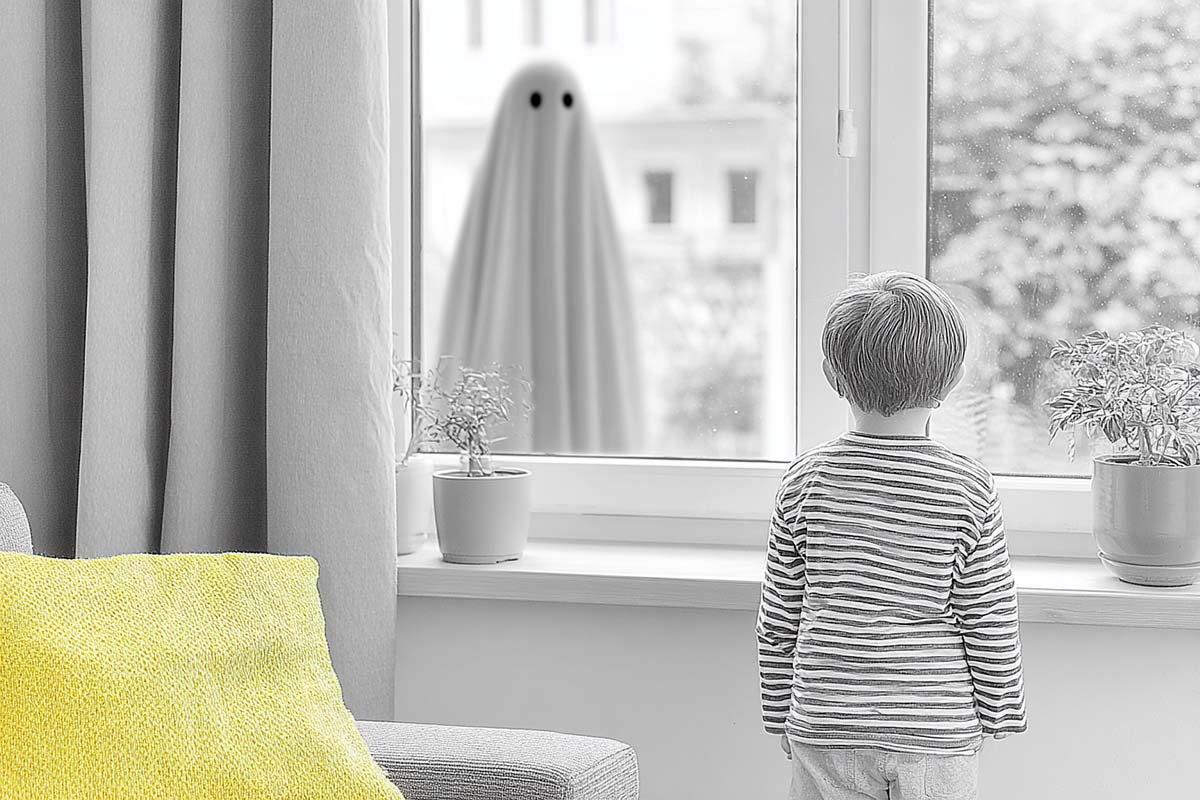
Visual illusions sometimes arise in my perception when my brain processes vague or fragmented sensory information.
This article offers a straightforward and scientific explanation of why I occasionally perceive shapes, figures, or emotional impressions that do not actually exist in the external environment.
I Have a Highly Sensitive Sensory and Attention System
My senses and attention are more finely tuned than average. This means I often notice subtle environmental signals that many people overlook, such as:
- faint shifts in light and shadow
- small movements in the space around me
- subtle changes in atmosphere or mood
- lingering sound reflections or vibrations
- environmental cues like electrical noise, pressure or airflow changes, and micro-vibrations in materials
These qualities reflect a Highly Sensitive Person (HSP) trait.
When Sensory Information Is Incomplete, My Brain Automatically “Fills In” the Missing Parts
The brain uses a mechanism called Predictive Processing, which means:
When information from the senses is unclear or incomplete, the brain fills the gaps using memory, past experiences, and stored visual patterns.
Because of this process, I may sometimes see:
- shadows completed into “human-like” shapes
- light patterns forming a face or body
- outlines in the space that resemble an unfamiliar figure
These are not intentional fantasies. They are the brain’s natural attempts to interpret the environment with limited data.
My Unconscious Mind Contributes Additional Material to the Image
While filling in missing information, the brain also draws from the unconscious. This includes:
- emotions
- intuitive reactions
- past impressions
- atmospheric feelings
- fragments of memory
When these internal elements combine with incomplete external signals, the resulting image appears richer and more complete—sometimes even resembling a person I have never seen before.
4. The Image Can Feel Emotional Because the Social-Emotional System Activates
When the brain identifies a shape as “human,” even vaguely, it automatically activates systems that help us read other people:
- mirror neurons, which simulate others’ emotional states
- emotional simulation networks, which infer intentions or moods
- context interpretation systems, which use environmental cues to guess emotional meaning
Because of this, I may feel as if the visual illusion has an emotion or presence, such as:
- sadness
- tension or pressure
- the sense of being watched
- a feeling of someone approaching
These emotional impressions come from my brain’s simulation process, not from an external entity.
5. These Experiences Are More Pronounced in Highly Sensitive People
Because I am more sensitive—physically, emotionally, and intuitively—I am more likely to:
- detect subtle sensory cues
- feel the atmosphere or energy of a space
- activate the brain’s fill-in mechanism
- link posture-like shapes with emotional meaning
Together, these factors create the experience of:
seeing a figure and sometimes feeling an associated “emotion” or “presence.”
This is not a mental illness or a sign of instability.
It is a natural result of high sensitivity combined with normal brain functioning.
How the Brain Assembles the Visual Illusions — A Simple Breakdown
The visual illusions I sometimes perceive are formed through four layers of information:
| Layer | Description |
|---|---|
| Weak External Signals (Sensory Input) | Light, shadows, outlines, reflections, afterimages, micro-movements — this forms the “base layer” of the illusion. |
| Sensory Residue (Residual Traces) | Visual afterimages, sound echoes, tension, lingering attention — like transparent overlay layers, adding motion or shape. |
| Unconscious Completion | Stored facial fragments, body templates, emotions, intuition — adds detail and forms a coherent human-like figure. |
| Perceptual Construction | The brain integrates all layers into: external fragments × sensory residue × unconscious material → a complete visual illusion that feels real and human. |
This process is normal perception at work—not a disorder, not loss of control.
Summary
Sometimes I see visual illusions because the brain, when facing unclear sensory information, naturally combines:
- subtle environmental cues
- leftover sensory impressions
- unconscious memories and emotions
to construct a complete image.
If the brain interprets the image as human, emotional simulation systems activate, which can make the illusion feel emotionally charged.
For highly sensitive people, these experiences tend to be stronger and more vivid.
In simple terms:
These illusions and emotional impressions are not external beings—they are the brain’s natural way of combining outer signals with inner processes when sensory information is incomplete.
How My Life Experiences Shaped This Sensory Tendency
While visual illusions can occur in anyone when sensory information is unclear, my personal history has further shaped and intensified how my brain processes ambiguous signals. These life experiences influence how sensitive my system is, how much my brain fills in missing information, and why the illusions sometimes carry emotional quality.
Growing Up in an Unpredictable or Emotionally Inconsistent Environment Increases Sensory Vigilance
Throughout childhood and adolescence, I often had to stay alert to:
- sudden changes in adult emotions
- conflict or tension in the household
- unpredictable reactions from caregivers
- responsibilities beyond my age
When children grow up needing to “read the room” constantly, the brain becomes trained to detect:
- very subtle cues
- shifts in atmosphere
- tone, mood, and micro-movements
This forms a long-term neuropsychological pattern called hypervigilant sensitivity.
In adulthood, this can translate into:
- noticing faint shadows
- detecting movement in peripheral vision
- sensing emotional “pressure” in the space
It is not fear-based—it is a skill that the brain learned for survival.
Long-Term Suppression of Emotions Can Make the Brain Express Them Indirectly
For many years, I often dealt with emotions alone. In such conditions, the mind may:
- store emotional energy internally
- push feelings into the background
- prioritize functioning over expressing
When emotions do not have direct channels for expression, they may surface indirectly through body sensations or visual impressions.
Thus, when the brain constructs an illusion from ambiguous sensory input, it may automatically add emotional tone from the unconscious, because that is where unprocessed feelings are stored.
This is not pathology—it is a natural psychological mechanism.
High Empathy and Caretaking Roles Strengthen Social-Emotional Simulation Systems
Since childhood, I often took care of others (siblings, parents, partners, even pets). This strengthened:
- mirror neuron activity
- emotional intuition
- automatic empathy
- sensitivity to other people’s needs
These same pathways activate when the brain thinks it is seeing a person—even a vague illusion.
That is why:
- some illusions feel “sad,” “tense,” or “watchful”
- emotional impressions appear instantly
- I may sense “the mood” of something that isn’t actually there
It is simply my highly developed social-emotional system doing what it always does.
Exposure to Stress, Loss, and Overwhelm Heightens the Brain’s Fill-In Tendencies
Life transitions, family conflict, loss of loved ones, burnout, and major relationship stress can push the brain into a state where:
- cognitive resources are limited
- sensory processing becomes more efficient but less precise
- the brain fills in missing details more aggressively
When tired, stressed, or emotionally overloaded, the brain relies more on prediction than precise perception—creating conditions where visual illusions become more noticeable.
Creative Imagination and Artistic Sensitivity Enhance Internal Imagery
My lifelong connection to art, imagery, colors, symbolism, and creative interpretation gives my brain an unusually rich “library” of visual material.
So when my brain fills gaps in perception, it has:
- more imaginative content
- more emotional texture
- more symbolic meaning
- more visual fragments to draw from
This is a strength—not a flaw—but it also makes the resulting illusions more vivid and detailed.
Why This Matters
Taken together, these life experiences create a unique sensory profile:
- high sensitivity
- emotional intelligence
- rich internal imagery
- periods of stress or exhaustion
- early training in hyper-awareness
→ These shape how my brain interprets unclear sensory input.
This does not indicate mental illness or instability.
It simply reflects the way my nervous system learned to survive, feel, and understand the world.
My Story Since 2018, in Art Therapy
Self art therapy has been part of my life since 2018 — a way to listen inward, stay present, and make meaning.
If you’re curious about the journey behind this space, you’re warmly invited to explore my creations, and the insights that have taken shape through the years.