
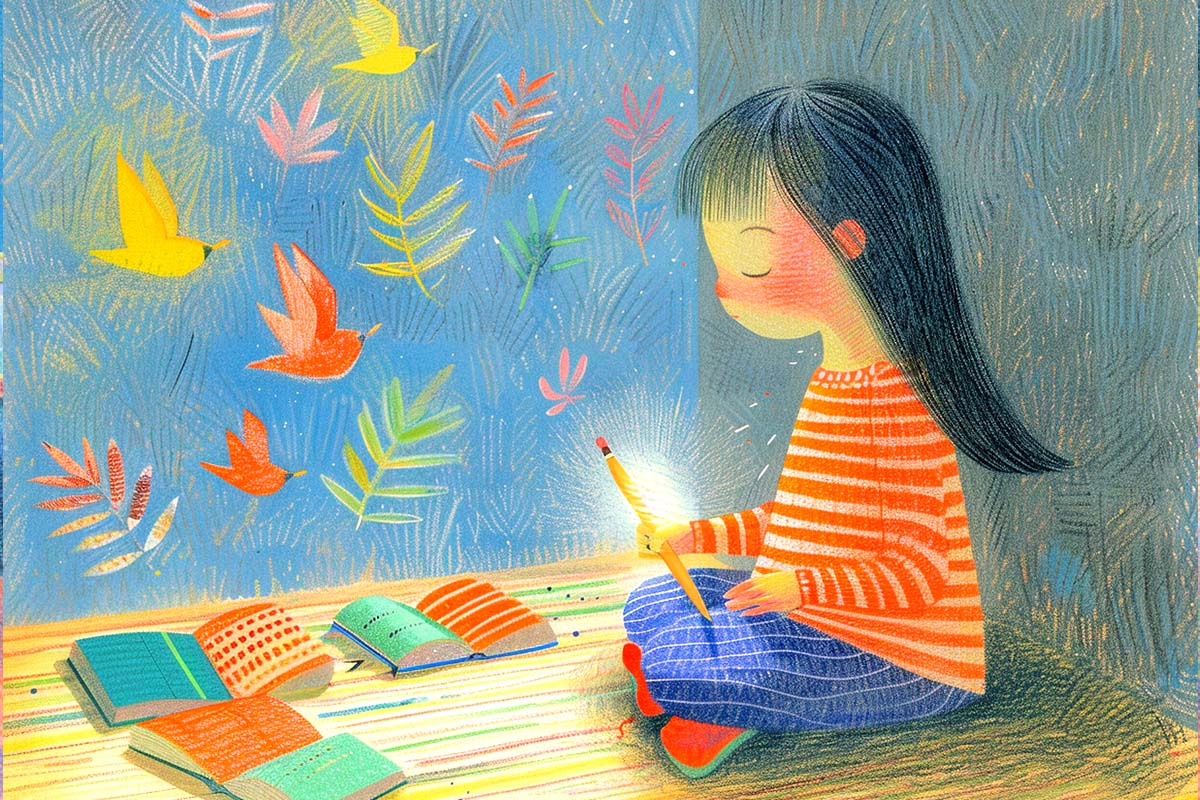
Stress Awareness and Release
Introduction
Everyone experiences stress — it’s part of being alive. Yet when it stays too long, it begins to shape how we breathe, think, and feel.
This workshop invites participants to recognise, express, and begin releasing personal stress through simple, art-based exploration.
By gently tracing where tension resides—both in the body and in emotion—participants rediscover how visual expression can support ease, clarity, and emotional balance.
It is a reflective and creative process, grounded in visual engagement and embodied awareness.
No art skills required — only openness, curiosity, and a willingness to notice what your body and mind are saying.
This project focuses on recognizing and releasing stress. Through simple and low-barrier art activities, participants will learn to identify where stress comes from and develop ways to release it. No prior art experience is required, making the sessions accessible and enjoyable for everyone.
I. Program Overview
Core Concept
Stress often hides beneath layers of thought and control. By turning it into colour, form, and rhythm, participants can see their stress, transform it through creativity, and release it safely.
The process moves through five experiential phases: Inner Problem Manifestation → Problem Localization → Meaning Transformation → Action Planning → Integration & Closure.
Program Goals / Intended Benefits
- Recognise personal stress patterns and emotional triggers.
- Provide accessible tools for emotional release and self-regulation.
- Strengthen awareness of body–mind connection through art-making.
- Encourage relaxation and inner balance through sensory flow.
- Build resilience and restore creative vitality.
- Increase awareness of personal sources of stress.
- Provide concrete methods for emotional and stress release.
- Use creative expression to strengthen self-understanding and self-regulation.
Target Participants
- Adults with chronic stress or emotional fatigue.
- Individuals experiencing burnout, anxiety, or restlessness.
- Professionals seeking creative approaches to stress management.
- Anyone interested in self-awareness and expressive healing.
II. Theoretical Foundations
Conceptual Foundations / Practice Frameworks
- Somatic Awareness & Polyvagal Theory – Reconnecting safety through the body’s signals.
- Gestalt Therapy – Bringing unfinished emotional tension into conscious release.
- Expressive Arts Therapy – Using visual form to transform inner states.
- Jungian Symbolism – Seeing stress as an archetypal energy seeking integration.
- Mindfulness-Based Art Therapy (MBAT) – Anchoring awareness in sensory presence.
Symbolic Understanding of Stress Imagery
| Symbolic Element | Possible Meaning |
|---|---|
| Tight, enclosed shapes | Constriction, control, emotional holding |
| Sharp lines / pressure marks | Anger, urgency, overstimulation |
| Heavy colour concentration | Mental overload, unprocessed emotion |
| Empty or faded spaces | Fatigue, avoidance, numbness |
| Gradual lightening or colour shift | Emotional release, regulation, flow restored |
III. Program Flow
Stage 1: Inner Problem Manifestation : Existence (let what’s stuck surface)
Objective:
Identify where stress originates and how it manifests in body and thought.
Activities:
- Free doodling, choosing colours, and drawing shapes or symbols to explore where stress shows up and how it feels.
- Begin with deep breathing and guided body scan.
- Notice sensations or emotions that arise during movement.
Reflection Questions:
- In what moments or environments does stress appear most?
- Which relationships or responsibilities are tied to this feeling?
- If this stress had a shape, what would it look like?
Stage 2: Problem Localization : Life Stabilisation (identifying what’s not working in life)
Objective:
Allow tension to move through spontaneous visual expression.
Activities:
- Using imagination to draw patterns, shifting colours, and transforming stressful images into lighter or more positive ones.
- Use colour and rhythm to express internal energy.
- Draw without judgment or direction — let your hand move freely.
- Observe when the movement feels heavy or light.
Reflection Questions:
- What surprised you about how your body expressed stress?
- Which areas of the page feel most charged or alive?
- What kinds of images or colours make you feel relaxed and happy?
- When linked to specific stressors, how might these positive elements help reduce stress?
Stage 3: Meaning Transformation : Ecological Awareness (shifting how you see your experiences)
Objective:
Shift the visual language from tension to openness.
Activities:
- Introduce new colours or textures.
- Add elements of flow, expansion, or light.
- Rework shapes or patterns to symbolise balance or resolution.
Reflection Prompts:
- Which changes bring you calm or relief?
- What colours help you breathe more easily?
- How does your body respond as the image transforms?
Stage 4: Action Planning : Living Aliveness (finding grounded, vital steps for real-life transformation)
Objective:
Connect creative process with emotional insight.
Activities:
- Pair or group sharing with guided questions.
- Note how stress shifts through the act of creating.
Reflection Prompts:
- What did you discover about your stress patterns?
- What does “release” mean for you — physically or emotionally?
- What can you carry from this artwork into your daily life?
Stage 5: Integration & Closure : Vital Emergence (carrying what matters into the future)
Action Commitment Card
The strength I’ll carry forward is _______ .
I’ll bring it into my life by _______.
My reminder or support system will be _______
Closing Reflection:
“Notice your breath, your shoulders, your inner space. You’ve given shape to what was unseen — and through that, found your own way of release.”
IV. Methods and Materials
Materials:
- Coloured pencils, crayons, markers
- Collage paper, textures, soft pastels
- Glue, scissors, paper
Methods:
- Projective art exploration
- Creative transformation
- Guided reflection and group dialogue
V. Expected Outcomes
- Heightened awareness of personal stress sources and reactions.
- Visible externalisation and symbolic transformation of tension.
- Increased emotional literacy and regulation capacity.
- A sense of lightness, clarity, and embodied calm.
- Strengthened psychological resilience for future challenges.
- Participants will gain simple emotional regulation tools that can be applied in daily life.
- Improved self-understanding and greater psychological resilience when facing stress.
VI. Facilitator Notes
- Maintain a slow, grounded pace — stress awareness can evoke strong sensations.
- Encourage participants to observe without judgment.
- Use pauses and breathing to re-centre after sharing.
- Emphasise that the artwork is not about aesthetics but release.
VII. Marketing & Outreach
Sample Copy: “Feeling tense or mentally overloaded? In this gentle art therapy session, you’ll learn to see your stress, release it through colour, and rediscover your inner calm. No art skills needed — just a willingness to breathe and create.”
Target Audience:
- Office workers, caregivers, teachers, therapists.
- Anyone navigating stress, burnout, or transition.
VIII. Evaluation Tools
- Pre/Post Reflection: Stress awareness & regulation scale.
- Process Observation: Body relaxation, engagement, emotional range.
- Qualitative Feedback: “What changed for you?”, “What felt released?”, “What will you keep practising?”
IX. Impact & Sustainability
Individual Impact:
- Greater self-understanding, emotional balance, and coping tools.
Organisational Impact:
- Supports workplace wellness and collective resilience.
Long-Term Sustainability:
- Develop follow-up “Art for Calm” resource kits.
- Offer facilitator training for expressive stress management.
- Integrate into mental health promotion campaigns.
X. Supplementary Resources
- Facilitator script and guided meditation audio.
- Visual stress-mapping template.
- Example artworks and colour progression chart.
- Reflection card set (Stress → Release → Clarity).
- Music playlist for grounding and relaxation.